


Buying and Selling Property in the Cyclades: From Dream to Reality
Property transactions in the Cyclades require careful legal preparation and the support of an experienced real estate lawyer. Learn about title due diligence, preliminary agreements, sale and purchase contracts, and the key legal issues that should be considered before any transaction in Paros, Naxos, Mykonos, Santorini, Antiparos and throughout the Cyclades
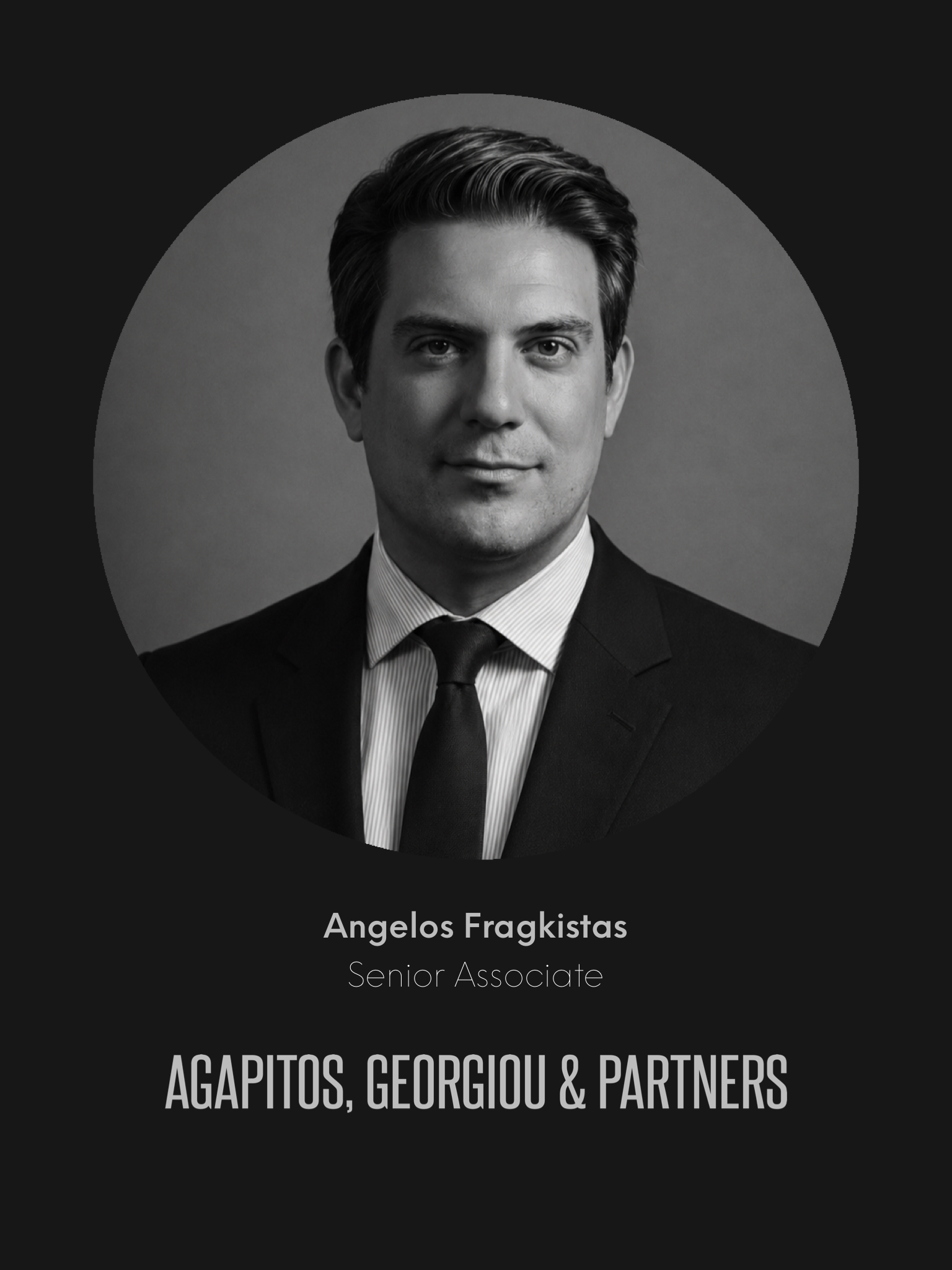
We're Growing: Welcoming Angelos Fragkistas
Agapitos, Georgiou & Partners is pleased to welcome Angelos Fragkistas as Senior Associate, further strengthening the firm's commercial, corporate and dispute resolution capabilities. Angelos joins the firm with a diverse professional background spanning leading commercial law firms, in-house legal roles and the public sector.
Charting a New Course: The Rise of Mediation in Maritime Disputes
A growing number of maritime businesses are turning to mediation as a faster, more cost-effective, and commercially pragmatic alternative to traditional dispute resolution. As the industry evolves, mediation is increasingly being recognised as a valuable tool for resolving disputes, preserving business relationships, and helping parties reach practical solutions without the time, expense, and uncertainty often associated with arbitration or litigation
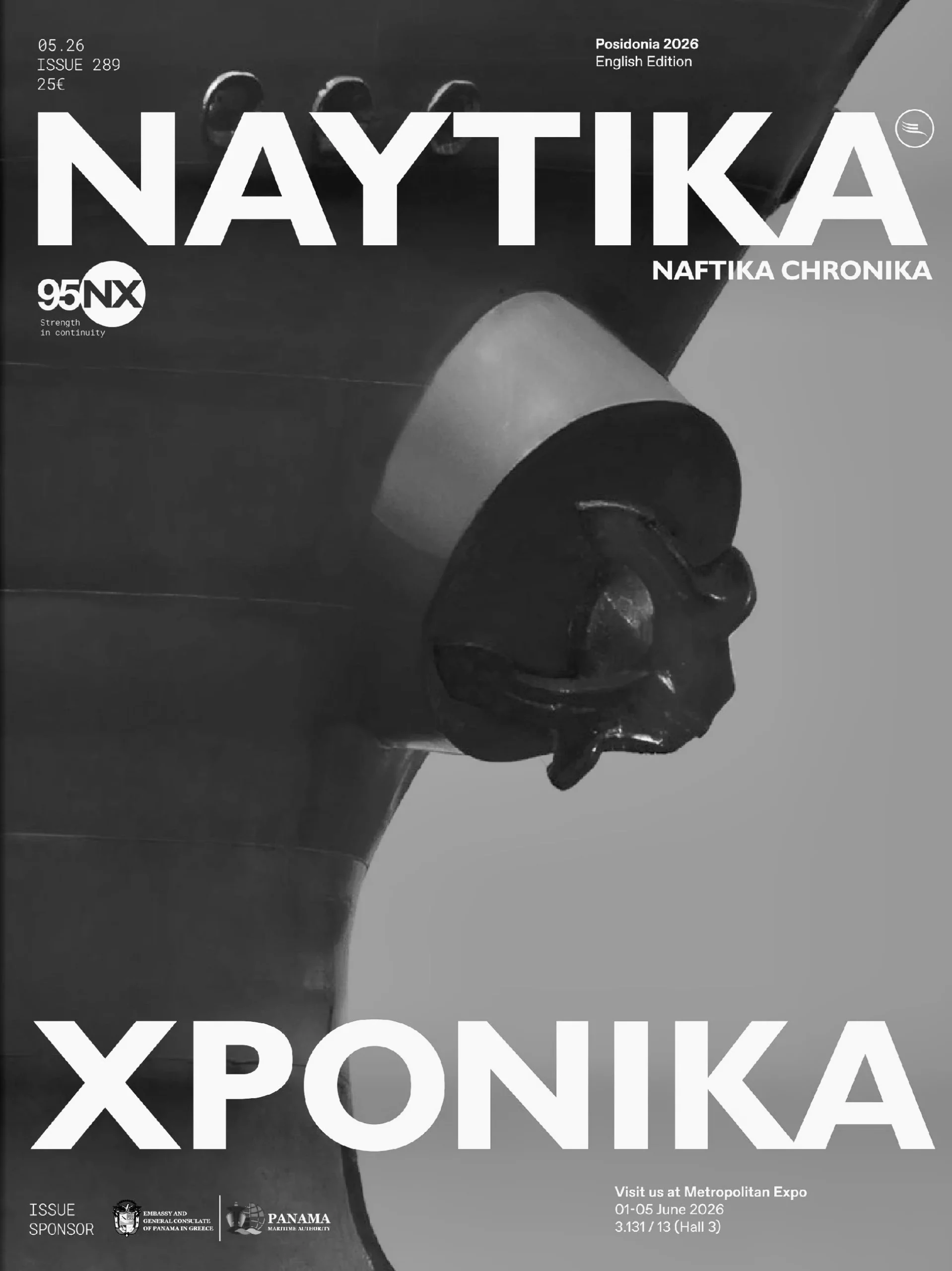
Article in the May 2026 Posidonia Issue of “Naftika Chronika”
In the May 2026 Poseidonia Issue of Naftika Chronika, John Agapitos explores the future of shipping documentation through his article “Beyond Paper, Electronic Bills of Lading and the Limits of Blockchain.” Published as part of the magazine’s Smart Shipping special feature, the article considers the legal and practical challenges surrounding the adoption of electronic bills of lading and blockchain technology

Transforming Dispute Resolution: Mediation Services from Agapitos, Georgiou & Partners
We are proud to announce that John Agapitos has officially qualified as a mediator in Greece and internationally. Offering comprehensive mediation services, including mandatory initial sessions, we help clients resolve disputes efficiently and amicably. Mediation saves time, reduces costs, preserves relationships, and ensures confidentiality. Discover the future of dispute resolution with Agapitos, Georgiou & Partners

FuelEU Maritime Initiative (FEUM): An Overview
Effective January 1, 2025, the FuelEU Maritime Initiative mandates reduced greenhouse gas emissions in shipping, driving the adoption of low-carbon fuels. As part of the EU’s “Fit for 55” package, it introduces compliance requirements, penalties for non-adherence, and legal challenges for charterparties and contracts. Stakeholders must adapt quickly to align with the EU’s climate goals and ensure sustainable operations
Late Redelivery and the Impact of MOAs: The Hapag-Lloyd Case
In December 2024, the Commercial Court of England and Wales delivered an important decision in Hapag-Lloyd AG v Skyros Maritime Corporation and Another [2024] EWHC 3139 (Comm). This ruling provides crucial guidance on how compensation is calculated when a ship is returned late under a time charter agreement, especially when other contractual arrangements limit the owner’s potential for further earnings

Celebrating the launch of Agapitos, Georgiou & Partners
This past week marked a monumental milestone for us at Agapitos, Georgiou & Partners as we officially launched our new law firm. It was a day filled with excitement, connection, and gratitude as we gathered to celebrate this new beginning alongside esteemed colleagues, clients, and friends
Welcome to Agapitos, Georgiou & Partners
It is with great pride and excitement that I write this first post as the Managing Partner of Agapitos, Georgiou & Partners. Thank you all for being part of our story